
-
AI SEO
- Feb 13, 2026 How to Rank Better, Straight From a Google Search Advocate Feb 13, 2026
-
Company Updates
- Jul 5, 2018 Google Adwords Announces Rebranding Jul 5, 2018
- Jun 21, 2018 Squarespace Is Launching An Email Marketing Platform Jun 21, 2018
- Apr 12, 2018 Facebook Changes Their Algorithm Apr 12, 2018
-
Content Creation
- Jun 21, 2018 Squarespace Is Launching An Email Marketing Platform Jun 21, 2018
- Mar 1, 2018 Viral vs. Valuable Marketing Mar 1, 2018
- Feb 1, 2018 SEO: 3 Marketing Stats to Keep In Mind When It Comes to Search Feb 1, 2018
- Jan 4, 2018 4 Reasons Why Blogging Can Help Your SEO Jan 4, 2018
-
Email Marketing
- Jul 1, 2019 Average Email Open Rates By Industry Jul 1, 2019
- Sep 27, 2018 Squarespace Email Marketing Review Sep 27, 2018
- Jun 21, 2018 Squarespace Is Launching An Email Marketing Platform Jun 21, 2018
-
Facts & Figures
- Jul 19, 2018 How Marketing and Customer Relationship Management (CRM) are Connected Jul 19, 2018
- Jun 7, 2018 Search Engine Market Share Jun 7, 2018
- Mar 15, 2018 Some Quick Stats About Mobile and Marketing Mar 15, 2018
-
Google Ads
- Jul 5, 2018 Google Adwords Announces Rebranding Jul 5, 2018
-
Google Adwords
- Jul 5, 2018 Google Adwords Announces Rebranding Jul 5, 2018
-
Google Analytics
- May 24, 2018 Google Analytics: What Is Referrer Spam? May 24, 2018
- Apr 26, 2018 Reading Google Analytics: Direct Traffic Apr 26, 2018
-
Ineffective Marketing
- Aug 30, 2018 The Importance of Knowing Your Audience Aug 30, 2018
- Jul 19, 2018 How Marketing and Customer Relationship Management (CRM) are Connected Jul 19, 2018
- May 10, 2018 Advertising: Is It Based On Perspective? May 10, 2018
-
Marketing Strategy
- Feb 3, 2022 Marketing From Aristotle: Ethos, Pathos, and Logos Feb 3, 2022
- Mar 17, 2020 Why You Need To Keep Your Marketing During A Crisis Mar 17, 2020
- Jul 10, 2019 The Difference Between PR and Marketing (and where they overlap) Jul 10, 2019
- Jul 1, 2019 Average Email Open Rates By Industry Jul 1, 2019
- Nov 8, 2018 Don’t Leave Out The Psychographics When Building Your Marketing Plan Nov 8, 2018
- Oct 25, 2018 The 5Cs of Marketing Oct 25, 2018
- Oct 11, 2018 The Marketing Mix (Often Called The 4 Ps) Oct 11, 2018
- Sep 13, 2018 How To S.W.O.T. And Improve Your Marketing Plan Sep 13, 2018
- Aug 30, 2018 The Importance of Knowing Your Audience Aug 30, 2018
- Aug 2, 2018 What Place Does Marketing Hold In The Strategic Plan Of An Organization? Aug 2, 2018
- Jul 19, 2018 How Marketing and Customer Relationship Management (CRM) are Connected Jul 19, 2018
- Jul 5, 2018 Google Adwords Announces Rebranding Jul 5, 2018
- May 10, 2018 Advertising: Is It Based On Perspective? May 10, 2018
- Apr 26, 2018 Reading Google Analytics: Direct Traffic Apr 26, 2018
- Mar 15, 2018 Some Quick Stats About Mobile and Marketing Mar 15, 2018
- Mar 1, 2018 Viral vs. Valuable Marketing Mar 1, 2018
-
SEO
- Mar 1, 2021 We Quintupled Our SEO Keywords By Doing This Mar 1, 2021
- Jun 7, 2018 Search Engine Market Share Jun 7, 2018
- Mar 1, 2018 Viral vs. Valuable Marketing Mar 1, 2018
- Feb 15, 2018 SEO: What Is a “Nofollow” Link? Feb 15, 2018
- Feb 1, 2018 SEO: 3 Marketing Stats to Keep In Mind When It Comes to Search Feb 1, 2018
- Jan 4, 2018 4 Reasons Why Blogging Can Help Your SEO Jan 4, 2018
-
Small Business
- Feb 3, 2022 Marketing From Aristotle: Ethos, Pathos, and Logos Feb 3, 2022
- Mar 17, 2020 Why You Need To Keep Your Marketing During A Crisis Mar 17, 2020
- Jul 10, 2019 The Difference Between PR and Marketing (and where they overlap) Jul 10, 2019
- Nov 8, 2018 Don’t Leave Out The Psychographics When Building Your Marketing Plan Nov 8, 2018
- Oct 25, 2018 The 5Cs of Marketing Oct 25, 2018
- Oct 11, 2018 The Marketing Mix (Often Called The 4 Ps) Oct 11, 2018
- Aug 30, 2018 The Importance of Knowing Your Audience Aug 30, 2018
- Aug 16, 2018 Supply Chain Management In The Service Industry Aug 16, 2018
-
Social Media
- Aug 30, 2018 The Importance of Knowing Your Audience Aug 30, 2018
- Jul 19, 2018 How Marketing and Customer Relationship Management (CRM) are Connected Jul 19, 2018
- Apr 12, 2018 Facebook Changes Their Algorithm Apr 12, 2018
- Mar 1, 2018 Viral vs. Valuable Marketing Mar 1, 2018
-
Website Design
- Aug 16, 2018 Supply Chain Management In The Service Industry Aug 16, 2018
- Mar 29, 2018 What is Responsive Web Design? Mar 29, 2018
How to Rank Better, Straight From a Google Search Advocate
We tend to think ranking problems are technical.
Maybe the sitemap is wrong.
Maybe Google Search Console is not set up properly.
Maybe indexing takes longer than we thought.
Sometimes that is true.
But recently, a business owner asked why their website was not showing up when they searched for its own name. They had submitted the sitemap. They had published content. They had done what most SEO checklists recommend.
The reply from John Mueller, Search Advocate at Google, pointed to something much more fundamental.
We tend to think ranking problems are technical.
Maybe the sitemap is wrong.
Maybe Google Search Console is not set up properly.
Maybe indexing takes longer than we thought.
Sometimes that is true.
But recently, a business owner asked why their website was not showing up when they searched for its own name. They had submitted the sitemap. They had published content. They had done what most SEO checklists recommend.
The reply from John Mueller, Search Advocate at Google, pointed to something much more fundamental.
The issue was not indexing.
It was intent.
And in today’s AI search environment, that distinction matters more than ever.
Indexed vs. Relevant
There is a difference between being indexed and being relevant for a query.
Indexing means Google has stored your page in its system. That does not mean it believes your page is the best answer for a specific search.
If someone searches a clearly unique brand name, Google can reasonably assume the user is trying to navigate to that specific site.
If someone searches a phrase made up of broad, competitive keywords, Google may interpret that as informational. In that case, it will show the strongest informational resources, not necessarily your homepage.
This is not about whether your site exists.
It is about what Google believes the searcher wants.
When Your Brand Looks Like a Topic
Many founders make this mistake early on.
They choose a domain name that is entirely keyword driven. It feels strategic. It feels optimized.
But if your brand name looks like a general topic, search engines may not treat it as a brand at all.
They treat it as a subject.
That means you are not competing as a company.
You are competing as content.
And content is everywhere.
Search engines classify queries in different ways. Some are navigational. Some are informational. Some are transactional.
If your “brand name” looks informational, Google may never assume the searcher is looking specifically for you.
That was the core of the response from Google’s own Search Advocate. And it is a lesson many businesses overlook.
Why This Matters Even More in AI Search
Now let’s take this one step further.
Traditional search engines rank pages.
AI systems evaluate entities.
Tools like OpenAI through ChatGPT, Perplexity AI, and Google’s AI-driven results do not simply match words on a page.
They look for the most authoritative entity to answer a question.
If your brand name blends in with hundreds of similar keyword combinations, you become interchangeable.
AI does not prioritize interchangeable.
It prioritizes clarity.
If the system cannot clearly distinguish your organization from the broader topic, you may see your content referenced without your brand being reinforced. Or worse, your competitors may be cited as the authority instead.
This is where SEO is evolving.
It is no longer just about ranking a page.
It is about being recognized as an entity.
Shifting From Keywords to Identity
Businesses have always been told to build domain names around keywords. That advice made sense in a simpler search environment.
Today, clarity of identity carries more weight.
Your brand should do three things:
Be distinct enough to trigger navigational intent.
Be structured clearly as an organization through schema and consistent naming.
Be reinforced across platforms so search engines and AI systems connect expertise to your company.
If you skip those steps, you may rank for articles but fail to build recognition.
And recognition is what drives long term visibility.
What This Means for Small Businesses
I work with growing companies as a fractional marketing partner. One of the most common issues I see is this:
The business has content.
The business has a website.
The business even has traffic.
But the business does not have entity clarity.
Their name is too generic.
Their structure is inconsistent.
Their authority signals are scattered.
They are present online, but they are not defined.
Search engines can crawl undefined.
AI systems struggle to trust undefined.
A Simple Test
Search your brand name.
Ask yourself:
Is it clearly unique?
Does Google immediately associate it with your organization?
Would someone unfamiliar with your company confuse it with a general topic?
Does AI consistently recognize you as a defined entity?
If the answer is no, the issue may not be technical SEO at all.
It may be positioning.
The Bigger Lesson
The Reddit question started as an indexing concern.
The deeper takeaway is about how search engines interpret identity.
Search visibility is not just about being found.
It is about being understood.
As search shifts toward AI, that understanding becomes even more important.
Businesses that build clear, consistent entity signals will have an advantage.
Businesses that rely solely on keyword positioning may struggle to stand out.
Ranking better is not always about doing more.
Sometimes it is about defining who you are in a way that search engines and AI systems can clearly recognize.
That is where modern SEO is heading.
And that is where smart businesses should focus next.
David Griffin is a fractional marketing director and SEO strategist with 15+ years of experience in full-stack digital marketing, specializing in modern SEO strategy and AI search visibility.

Marketing From Aristotle: Ethos, Pathos, and Logos
We may want to believe that every new invention and idea is original, but the truth is, a large majority of our everyday culture are merely improvements from the ancient Greeks. Sports, medicine, law, democracy, language, science, math, buildings, showers, theatre and even alarm clocks and vending machines were first invented by the Greeks way back when. As with all of these other topics, marketing can…
We may want to believe that every new invention and idea is original, but the truth is, a large majority of our everyday culture are merely improvements from the ancient Greeks. Sports, medicine, law, democracy, language, science, math, buildings, showers, theatre and even alarm clocks and vending machines were first invented by the Greeks way back when. As with all of these other topics, marketing can find its roots in ancient Greece as well, by none other than the famous Aristotle.
Aristotle left us with many great things to ponder. One of his most influential pieces comes from Rhetoric, a collection of his students’ notes from his lectures that later became a book. In this, he spoke of the Modes of Persuasion: Ethos, Pathos and Logos.
Ethos (authority, credibility, reliability): This is the ethical appeal and tries to convince an audience of the author’s credibility or character.
Pathos (emotion, sympathy, imagination): This is the emotional appeal and tries to persuade an audience by appealing to their emotions.
Logos (logic, rationality, reason): This is the appeal to logic and tries to convince an audience by use of logic and/or reason.
The Modes of Persuasion have been used in marketing forever, and brands use a combination of all 3 to get their message across. This commercial from Subaru is a great example:
Subaru does a good job of using all of the elements together and overlapping.
Ethos and establishing credibility: The granddaughter in the commercial says “Some relationships get better with time…that’s why I got a Crosstrek.” This indicates to the viewer that Subaru has been around for a long time and that their vehicles are reliable. In addition, the commercial actually shows an older Subaru sitting in the grandmother’s driveway, indicating that she still uses her older model.
Pathos and showing emotion. The commercial features a grandmother and a granddaughter bonding, drinking milkshakes, laughing, etc. This appeals to our emotions and gives us a sense of serenity. In addition, the light music used also helps induce a calmness and playfulness. Subaru’s tagline is “Love, it’s what makes Subaru, Subaru.”
Logos and using rationality. At the end of the commercial, we learn that “97% of Subaru vehicles sold in the last 10 years are still on the road.”, showing they are reliable vehicles. The grandmother’s older version also helps subconsciously tell us that Subarus last for a long time since she has not bought a new one.
Subaru doesn’t just use Ethos, Pathos and Logos in their commercials, however. Their entire marketing strategy is built with these. Alan Bethke, Senior Vice President, Marketing at Subaru of America, stated in 2017:
“..the Love campaign, inspired by Subaru owners’ love of their vehicles, loved ones, and causes they keep close to their hearts, continued to build a new identity for Subaru…Under the notion that ‘Love’ is the uniting factor among the brand’s loyal customer base and ‘It’s what makes a Subaru, a Subaru,’ we created a personality to compliment the brand’s quality vehicles…Today, Subaru has a demand that exceeds its supply, resulting in 8 consecutive years of record-breaking sales and 9 consecutive years of sales increases.” — Alan Bethke, Forbes, Source.
We can see Ethos on full display in ads for vehicles, cologne and more with the use of celebrities. The two ads below feature actors Chris Hemsworth and Daniel Craig, yet they aren’t doing anything but standing there. That’s ok, because your brain fills in the gaps and makes the connection between credible (an actor you like) and the brand, which must also be credible, right? If you overthink it, it’s a silly concept — we know these celebrities are getting paid for these ads and that they may not even use them. Regardless, it’s a tried and true method that companies have been doing for a long time:

As brands age, they may require less Ethos to establish credibility or Logos for rationality. An example would be Coca Cola, who has been around for so long that their main goal is just to create top of mind awareness. When brands have been around and are established, their main focus when advertising is usually around Pathos:
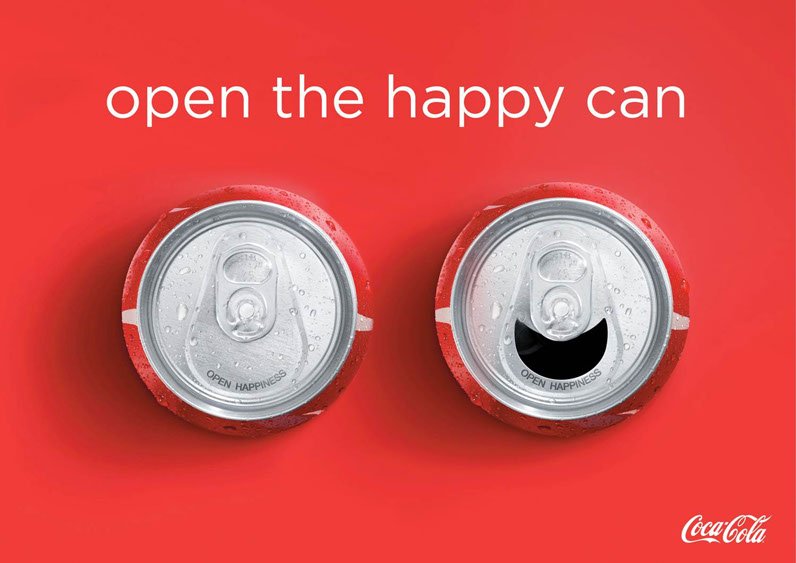
The above print ad uses Pathos by showing the emotion of “happy” and implying drinking Coca-Cola brings happiness.
The use of Ethos, Logos and Pathos by companies goes deeper than just print or television ads, however. Organizations incorporate these concepts into their entire brand — their mission statements, their marketing materials, their positioning, how they train their employees, their PR, etc.
Walmart, for example, states the following on their “About” page:
“From our humble beginnings as a small discount retailer in Rogers, Ark., Walmart has opened thousands of stores in the U.S. and expanded internationally. Through innovation, we’re creating a seamless experience to let customers shop anytime and anywhere online and in stores. We are creating opportunities and bringing value to customers and communities around the globe. Walmart operates approximately 10,500 stores and clubs under 48 banners in 24 countries and eCommerce websites. We employ 2.2 million associates around the world — nearly 1.6 million in the U.S. alone.”
Ethos: 10,500 stores, 24 countries, shop anytime and anywhere
Pathos: humble beginnings, Innovation, seamless experience
Logos: 10,500 stores, 24 countries, 2.2 million associates, bringing value to customers and communities around the globe
Companies use the Modes of Persuasion in their business model to make themselves more than just a company. The average consumer may not consciously pay attention to these but subconsciously, we all do. Organizations need to not just sell a product or service, they need to tell a story, and that’s where Aristotle’s framework helps.

We Quintupled Our SEO Keywords By Doing This
Let’s talk about “SEO” and “Search Engine Optimization”. While you can consider these buzzwords, they actually are essential to a good marketing strategy for many, if not most, industries. “Search engine optimization is the process of improving the quality and quantity of website traffic to a website or a web page from search engines. SEO targets unpaid traffic rather than direct traffic or paid traffic.”
Questions, Prepositions, Comparisons and Alphabeticals In Your SEO
Let’s talk about “SEO” and “Search Engine Optimization”. While you can consider these buzzwords, they actually are essential to a good marketing strategy for many, if not most, industries.
Let’s take this business, Griffin & Co. Strategic Marketing Methods, and find out how we can improve our SEO. One of the ways we describe the process of optimizing a website is to accurately predict what your potential customers will search for. We offer strategic marketing solutions. However, we’ve found that many of our customers do not search for “marketing strategy” but instead search for “digital marketing” when looking for a firm. Using this knowledge, we should create content that explains what digital marketing solutions we have, what each service does, how it will benefit a company, and so on.
While we want to attract people searching for “marketing”, let's narrow it down further by focusing on attracting people searching for “digital marketing”.
Here’s where we go into SEO science.
It’s important to note that different people search in different ways depending on what they are trying to find out, if they are using speech-to-text instead of typing, etc. As a result, we need to not only look at Questions, but also Prepositions, Comparisons and Alphabeticals.
Some search by asking questions starting with: Who, What, Where, When, Will, Why, Which, Are, Can and How.
Examples of this include “how digital marketing works” or “why digital marketing is important”.
Some use the preposition approach, using “digital marketing” as the start of the search and including: To, Is, Near, Can, For, With and Without.
Examples of this include “digital marketing near me” or “digital marketing for small business”.
Others use a comparison style of search, using “digital marketing” as the start and including: Like, And, Versus, Vs, Or.
Examples of this include “digital marketing and data analytics” or “digital marketing vs traditional marketing”.
The most used keywords, however, usually come from short searches that may not include any questions, comparisons or prepositions. We can more easily categorize these by calling them alphabeticals, since the best way to list them is by alphabetizing them.
Examples of this include “digital marketing description”, “digital marketing help” or “digital marketing ideas”.

We use search engines like Google, Yahoo and Bing everyday, so it’s strange to think that not too long ago, people only used them sometimes. When search engines originally debuted, people took the time to type out their long questions, but as we’ve become accustomed to it, we’ve drastically altered how we search by just including the key parts. This is how we went from “how digital marketing is different from traditional marketing” to “digital marketing vs traditional marketing” to “digital vs traditional marketing”, and so on.
By taking the time to think about how people search in the current day and age, we are able to expand our 77 questions about digital marketing into 386 keywords and phrases which now include questions, prepositions, comparisons and alphabeticals.
Some of the 386 keywords will overlap, and that’s fine. Others may not be relevant to your industry. For example, someone searching “digital marketing graduate programs” is probably not a top prospect for us. It’s up to each company to decide which ones are relevant and which ones will just lead to a higher bounce rate. However, there’s no denying that by including more than just questions, we can drastically improve our SEO and help more people searching for our services find us.
If you’ve been thinking about tackling your SEO, start by creating the longest list of keywords and then narrowing it down. Keywords are only a part of SEO; we still need to make sure we’re using the right headers, footers, site structure, domains and more, but that’s a breakdown for another time. For now, enjoy the full list for “digital marketing” we’ve discussed below.
DIGITAL MARKETING KEYWORDS AND PHRASES
are digital marketing bootcamps worth it
are digital marketing jobs in demand
are digital marketing certification worth it
are digital marketing agencies profitable
are digital marketing course worth it
are digital marketing jobs remote
are digital marketing agencies worth it
are digital marketing
can digital marketing make you rich
can digital marketing be done from home
can digital marketing be a side hustle
can digital marketing save your business
can digital marketing make you millionaire
can digital marketing replace traditional marketing
can digital marketing work from home
can digital marketing make you billionaire
how digital marketing works
how digital marketing has changed
how digital marketing helps small business
how digital marketing will change in 2021
how digital marketing helps to grow your business
how digital marketing changed in 2020
how digital marketing has changed business
how digital marketing is different from traditional marketing
what digital marketing do
what digital marketing skills are in demand
what digital marketing agency do
what digital marketing means
what digital marketing includes
what digital marketing course
what digital marketing entails
what digital marketing company do
when digital marketing started
when digital marketing started in india
when digital marketing came
when digital marketing started in world
when to do digital marketing
how did digital marketing start
when did digital marketing begin
when was digital marketing introduced
where digital marketing is used
where is digital marketing institute
where to learn digital marketing
where to learn digital marketing for free
where to start digital marketing
where to do digital marketing
where to get digital marketing clients
what companies use digital marketing
which digital marketing course is best
which digital marketing is best
which digital marketing course is best in india
which digital marketing strategy is best
which digital marketing course is your favorite
which digital marketing course is best
which digital marketing is best
which digital marketing course is best in india
who is digital marketing
who do digital marketing
who is digital marketing specialist
who is digital marketing executive
who is digital marketing manager
why digital marketing is important
why digital marketing is important for small business
why digital marketing is the future
why digital marketing career
why digital marketing interview questions
why digital marketing matters
why digital marketing is a good career
why digital marketing is important in 2021
will digital marketing be automated
will digital marketing replace traditional marketing
will digital marketing die
will digital marketing ever rule the world
will digital marketing help your career
will digital marketing last long
how will digital marketing change in the future
how will digital marketing change in 2021
digital marketing can enhance the value of products
digital marketing can be termed as
digital marketing can be defined as
digital marketing can be classified into use of
digital marketing can takes place through
digital marketing can take place throughout
digital marketing can be described as the set of
digital marketing can be described as
digital marketing for dummies
digital marketing for nonprofits
digital marketing for small business
digital marketing for real estate
digital marketing for beginners
digital marketing for restaurants
digital marketing for insurance agents
digital marketing for law firms
digital marketing is the future
digital marketing is it worth it
digital marketing is also referred to as
digital marketing is important
digital marketing is effective because it is ___
digital marketing is often referred to as
digital marketing is also known as
digital marketing is similar to
digital marketing near me
digital marketing near
digital marketing near marathahalli
digital marketing near kengeri
digital marketing near vijayanagar
digital marketing course near me
digital marketing jobs near me
digital marketing classes near me
digital marketing to seniors
digital marketing to physicians
digital marketing to product manager
digital marketing to millennials
digital marketing to parents
digital marketing to baby boomers
digital marketing to doctors
digital marketing to hcps
digital marketing with no experience
digital marketing with google
digital marketing with social media
digital marketing with placement
digital marketing with example
digital marketing with data analytics
digital marketing with seo
digital marketing with ai
digital marketing without degree
digital marketing without cookies
digital marketing without degree reddit
digital marketing without social media
digital marketing without investment
digital marketing without experience
digital marketing without a website
digital marketing without money
digital marketing and financial services
digital marketing and analytics
digital marketing and social media
digital marketing and data analytics
digital marketing and ecommerce
digital marketing and seo
digital marketing and design
digital marketing and sales
digital marketing like a pro pdf
digital marketing like a pro review
digital marketing like a pro
digital marketing like a pro clo willaerts
digital marketing more like this
digital marketing is like
digital marketing or ux design
digital marketing or social media marketing
digital marketing or data analytics
digital marketing or graphic design
digital marketing or data science
digital marketing or traditional marketing
digital marketing or affiliate marketing
digital marketing or business analyst
digital marketing versus traditional marketing
digital marketing versus social media marketing
digital marketing versus online marketing
digital marketing versus traditional marketing essay
digital marketing vs ecommerce
digital marketing versus content marketing
marketing digital vs marketing tradicional
digital marketing vs traditional marketing
digital marketing vs digital advertising
digital marketing vs social media marketing
digital marketing vs content marketing
digital marketing vs affiliate marketing
digital marketing vs ux design
digital marketing vs graphic design
digital marketing vs digital media
digital marketing agency
digital marketing agency washington
digital marketing analyst
digital marketing associate
digital marketing analytics
digital marketing agency near me
digital marketing analyst salary
digital marketing assistant
digital marketing bootcamp
digital marketing books
digital marketing business
digital marketing blogs
digital marketing basics
digital marketing benefits
digital marketing best practices
digital marketing bootcamp free
digital marketing certificate
digital marketing courses
digital marketing coordinator
digital marketing company
digital marketing coordinator salary
digital marketing channels
digital marketing consultant
digital marketing classes
digital marketing degree
digital marketing definition
digital marketing director
digital marketing degree online
digital marketing director salary
digital marketing dc
digital marketing description
digital marketing degree salary
digital marketing examples
digital marketing entry level jobs
digital marketing executive
digital marketing education
digital marketing expert
digital marketing experience
digital marketing entry level salary
digital marketing essentials
digital marketing for dummies
digital marketing folks
digital marketing firms
digital marketing funnel
digital marketing freelance
digital marketing for nonprofits
digital marketing firms near me
digital marketing for small business
digital marketing google certification
digital marketing glossary
digital marketing gmu
digital marketing gwu
digital marketing goals
digital marketing google garage
digital marketing graduate programs
digital marketing growth
digital marketing how to
digital marketing hourly rate
digital marketing how to get started
digital marketing hubspot
digital marketing healthcare
digital marketing help
digital marketing hiring
digital marketing hashtags
digital marketing institute
digital marketing internship
digital marketing interview questions
digital marketing internships near me
digital marketing institute reviews
digital marketing industry
digital marketing ideas
digital marketing intern job description
digital marketing jobs
digital marketing job description
digital marketing jobs dc
digital marketing jobs salary
digital marketing jobs washington dc
digital marketing jobs entry level
digital marketing jobs remote
digital marketing job titles
digital marketing kpis
digital marketing keywords
digital marketing kpi examples
digital marketing kit
digital marketing kpis 2021
digital marketing kellogg
digital marketing kansas city
digital marketing kpi dashboard
digital marketing logo
digital marketing lead
digital marketing linkedin
digital marketing landscape
digital marketing lab
digital marketing los angeles
digital marketing lead salary
digital marketing linkedin banner
digital marketing manager
digital marketing manager salary
digital marketing manager salary north carolina
digital marketing manager job description
digital marketing metrics
digital marketing manager salary dc
digital marketing masters
digital marketing meaning
digital marketing news
digital marketing near me
digital marketing netic
digital marketing naics code
digital marketing nova
digital marketing niches
digital marketing newsletters
digital marketing naics
digital marketing online
digital marketing online courses
digital marketing online degree
digital marketing online certificate
digital marketing objectives
digital marketing overview
digital marketing opportunities
digital marketing operations
digital marketing plan
digital marketing platforms
digital marketing portfolio
digital marketing programs
digital marketing plan example
digital marketing plan template
digital marketing portfolio examples
digital marketing podcast
digital marketing quotes
digital marketing questions
digital marketing questions to ask
digital marketing quiz
digital marketing qualifications
digital marketing quotes 2021
digital marketing questionnaire
digital marketing questions to ask in an interview
digital marketing resume
digital marketing resume examples
digital marketing remote jobs
digital marketing roles
digital marketing reddit
digital marketing recruiters
digital marketing requirements
digital marketing responsibilities
digital marketing salary
digital marketing salary florida
digital marketing specialist
digital marketing specialist salary
digital marketing strategy
digital marketing skills
digital marketing strategist
digital marketing services
digital marketing trends
digital marketing training
digital marketing tools
digital marketing terms
digital marketing tips
digital marketing tactics
digital marketing team
digital marketing titles
digital marketing umd
digital marketing udemy
digital marketing updates
digital marketing usa
digital marketing university
digital marketing umbrella
digital marketing udacity
digital marketing undergraduate degree
digital marketing vs digital advertising
digital marketing vs traditional marketing
digital marketing vs social media marketing
digital marketing vs content marketing
digital marketing vs affiliate marketing
digital marketing video
digital marketing vs ux design
digital marketing vocabulary
digital marketing washington dc
digital marketing website
digital marketing what is it
digital marketing work from home
digital marketing webinars
digital marketing workshop
digital marketing website templates
digital marketing what do they do
digital marketing certificate
digital marketing courses
digital marketing coordinator
digital marketing company
digital marketing company washington
digital marketing company alexandria va
digital marketing coordinator salary
digital marketing channels
digital marketing youtube
digital marketing yale
digital marketing yearly salary
digital marketing youtube channels
digital marketing youngstown
digital marketing yakima
digital marketing york university
digital marketing youtube course
digital marketing zimbabwe
digital marketing zoho
digital marketing zone
digital marketing zara
digital marketing zirakpur
digital marketing zurich
digital marketing zomato
digital marketing zambia
digital marketing salary
digital marketing salary florida
digital marketing jobs
digital marketing certificate
digital marketing manager
digital marketing specialist
digital marketing agency
digital marketing institute

Why You Need To Keep Your Marketing During A Crisis
You may have heard it before: In times of crisis, the marketing budget is the first thing businesses cut. And why not? It’s one of the easiest ways to free up some cash. In fact, when business is slow, there are basically two things a company can do to improve cash flow: Get more sales and/or cut costs.

You may have heard it before: In times of crisis, the marketing budget is the first thing businesses cut. And why not? It’s one of the easiest ways to free up some cash. In fact, when business is slow, there are basically two things a company can do to improve cash flow:
Get more sales
Cut costs
You don’t always have control over more sales, but you do have control over your costs - and here’s where many businesses make a critical error, by choosing costs instead of sales. As marketers fear waking up each day during the COVID-19 outbreak, it’s up to us to find unique ways to keep businesses open and justify our existence. After all, if the NBA is willing to lose hundreds of millions of dollars by shutting down, what chance do small businesses have?
The truth is, there’s always opportunity. When one industry struggles, another one thrives. Can’t go to a nice sit-down restaurant? No, but I can order a pizza. Grocery stores are certainly exceeding their annual expectations. Bookstores are closed but Amazon is open for business. Movie theaters are shut down, but now might be the time that moviegoer finally decides to sign up for Netflix. Speaking of movie theaters, Universal Studios just announced they are making some of their new movies available on-demand during Coronavirus Outbreak. For Universal, it won’t be a total loss. In fact, some movies may even do better on-demand.
But not every company is Universal Studios, with segmented product offerings and millions in the bank to cover their losses. What about YOUR business? People may be temporarily spending less now, but that won’t last. Businesses still need services, and consumers still want things.
Why You Shouldn’t Cut Your Marketing Budget
Unless you are working with endless amounts of capital, you can almost never cut your costs to profitably. Cutting costs is a good way to stay stationary, but if you want to increase profitability, you need to increase sales - and that’s where marketing helps.
Brand awareness can take time, and if you aren’t getting the word out, someone else is. You don’t have to spend millions, but you definitely shouldn’t be spending $0. People want to work with brands they trust, and marketing helps build that trust. I don’t mean throw money at everything, but smart, targeted spending can help to maximize your company’s image while creating real ROI. As the ASI points out:
“It seems like common sense, if you advertise when everyone else stops marketing…
1.) Your message is more likely to be noticed due to fewer ads in the market
2.) Your business is more likely to be remembered when everyone starts advertising again”
In addition, if you have been advertising and suddenly stop, you will start to lose some share-of-mind and miss out on future sales. So with that in mind, here are some marketing-related items to invest in during this time:
Marketing Game Plan
Perhaps first of all, if you don’t already have a strategic marketing plan, now might be the time to create one. Start by creating a SWOT analysis.
Adjust Your Marketing Course
There may be less people out in public, but there’s almost certainly more people online. You don’t have to spend $5,000/month on Facebook ads, but even $300 will get your message in front of people who may not know about your services. While you’re at it, now may be a good time to adjust your marketing message. Is there a call-to-action? What separates you from the competition? Try creating two different types of ads, split the budget between the two and run them simultaneously. Then, review the analytics to see which one worked best and most importantly, WHY it worked best.
Build Up Your Marketing Arsenal
Have you been meaning to write some blogs? Maybe there’s been a dead page on your website forever that needs deleting. Here’s an idea: record some videos in your home office. You can shoot 6 videos at the same time and only publish them once a month, thereby giving you half a year’s worth of new content. Just a reminder: we’re not all Wes Anderson, so don’t forget to ask for help from a professional if needed. To start, here’s a helpful resource with 12 Tips for Making Your Videos Look More Professional.
Focus On Your 1,000 True Fans
You can’t market to everyone. And actually, you shouldn’t be marketing to everyone. Some people will want your product or service and others will not. If your business is experiencing some difficult times, try focusing on 1,000 True Fans. As author Kevin Kelly points out,
“To be a successful creator you don’t need millions. You don’t need millions of dollars or millions of customers, millions of clients or millions of fans. To make a living as a craftsperson, photographer, musician, designer, author, animator, app maker, entrepreneur, or inventor you need only thousands of true fans.
A true fan is defined as a fan that will buy anything you produce. These diehard fans will drive 200 miles to see you sing; they will buy the hardback and paperback and audible versions of your book; they will purchase your next figurine sight unseen; they will pay for the “best-of” DVD version of your free youtube channel; they will come to your chef’s table once a month. If you have roughly a thousand of true fans like this (also known as super fans), you can make a living — if you are content to make a living but not a fortune.” - Kevin Kelly
You can read the full article HERE. This method isn’t for everyone, but narrowing your audience is a good way to find out what’s really important in your messaging. If you can make 1,000 people really admire your brand, your message will spread…just maybe not as fast as some viruses do.

The Difference Between PR and Marketing (and where they overlap)
Marketing and Public Relations (PR) can look like interchangeable terms. However, in the wide array of communication terms, they are not actually synonyms. Here are the different contributions that PR and marketing bring to business success.
Marketing and Public Relations (PR) can look like interchangeable terms. We hear people say things like “That company has good PR” and the first thought that comes to mind may be an ongoing advertisement, a recent publicity campaign, a sticky phrase from a TV commercial or just the memory of a positive referral to a product. However, in the wide array of communication terms, they are not actually synonyms. Here are the different contributions that PR and marketing bring to business success.
The Difference
PR focuses on building relationships. The Public Relations Society of America (2012) defines PR as “a strategic communication process that builds mutually beneficial relationships between organizations and their publics.” These relationships can refer to reputation management, media coverage, government relations, pre-and post-campaign research, audience identification, etc. The term publics refers to the stakeholders, employees, target audiences, the media and potential donors, among others, that are relevant to build relationships with. So, in simple terms, PR is all about creating, maintaining and repairing relationships between a group of interests for an organization and the organization itself.
The goal of marketing, as defined by the American Marketing Association (2013), “is the activity, set of institutions, and processes for creating, communicating, delivering, and exchanging offerings that have value for customers, clients, partners, and society at large.” In a previous blog post, we wrote about the marketing mix (also called the 4Ps of marketing): Product, Price, Place and Promotion. These are some of the essentials for effective marketing in business planning. So, in simple terms, marketing is all about letting customers know a solution to their problem exists. Marketing helps create a demand for a product or service in order to fulfill the customer’s needs.
Yes, they overlap!
Both Marketing and PR focus on selling a product or highlighting a brand, but their final goal is different: sales vs. positive reputation
They are part of the business investment: PR is more of a long-term investment to increase brand’s credibility whereas marketing can be a more straightforward or more direct line to reach customers based on promotion and sales.
They rely on each other: A company needs sales as they need reputation management. A company’s positive sale trends contribute to creating a positive perception by groups of interest or publics.
In Simple Terms
Let’s simplify it further using a quote from S.H. Simmons on the difference between PR and Marketing:
“If a young man tells his date she’s intelligent, looks lovely, and is a great conversationalist, he’s saying the right things to the right person and that’s marketing. If the young man tells his date how handsome, smart and successful he is, that’s advertising. If someone else tells the young woman how handsome, smart, and successful her date is, that’s public relations.”

Average Email Open Rates By Industry
Average Industry Rates for Email as of June 2019

Below are the latest email open rate numbers. According to Constant Contact, the average open rate for all industries combined using their platform is 14.79%, while Mailchimp states the average open rate for all industries using their platform is 20.81%. We could average the two, however since not all industries line up between the two, it’s better to keep them separate:


Don’t Leave Out The Psychographics When Building Your Marketing Plan
While demographics help to explain who your customer is, psychographics help to explain why that customer buys what they buy. You’ve no doubt seen psychographic options when building a Google or Facebook ad campaign…

Everyone talks about demographics, but not everyone discusses the importance of psychographics when developing a marketing plan or advertising campaign.
While demographics help to explain who your customer is, psychographics help to explain why that customer buys what they buy. You’ve no doubt seen psychographic options when building a Google or Facebook ad campaign, they are made up of attitudes, interests, motivations, beliefs, buying power, personalities, values, etc. They help you to understand a buyer’s hobbies, values and spending habits. Only by understanding your target market’s demographics AND psychographics can you effectively reach them.
Let’s say, for example, you sell custom leather products such as bags, wallets and belts. The demographic information of your audience may be:
Male
25–54
Income of $50K+
Location: In and around the DC Metro area
While the psychographic information of your audience may be:
Somewhat or generally concerned with appearance
Luxury shopper
Prefers quality over economy
Enjoys displaying certain brands and will spend money to do so
The majority of the time, marketers break down psychographics into 3 main categories:
Social Class
Personality
Lifestyle
Each of these 3 categories have subsets of categories:
Social Class
Buying power
Spending habits
Income
Personality
Beliefs
Motivations
Life outlook
Morals
Lifestyle
Interests
Activities
Opinion
Attitude
Knowing what categories you need to define for your audience will help create a more targeted approach to your marketing plan. You will find that the further you can break down the specifics of your market, the easier it will be to reach them, provided you find the right mediums to match with the breakdown.
We’ll explore more in-depth research into psychographics in the future, so be sure to check back.
The 5Cs of Marketing
We previously touched on the 4Ps of marketing, also called the Marketing Mix, now let’s talk about the 5 C’s of marketing: Company, Context, Customers, Competitors and Collaborators.
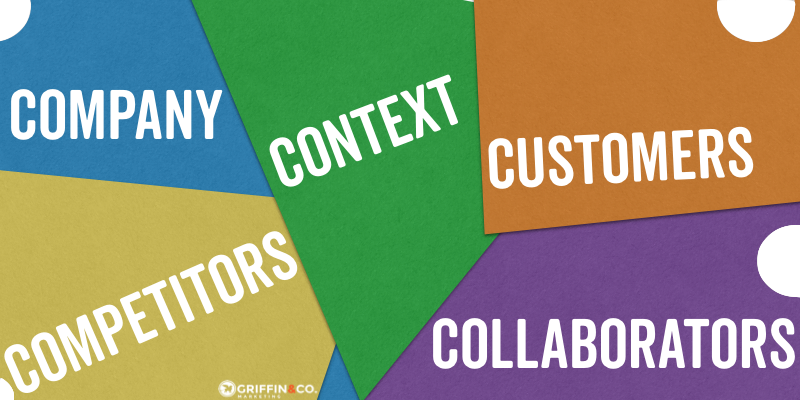
We previously touched on the 4Ps of marketing, also called the Marketing Mix, now let’s talk about the 5 C’s of marketing:
Company
Context
Customers
Competitors
Collaborators
(This is not to be confused with “The 4 Cs and Ps” - read here)
The 5 C’s of Marketing are used for constructing an effective marketing strategy:
Company: Are your company’s resources and capabilities in a position to meet customer’s needs? Start by creating a SWOT analysis HERE.
Context (or climate): Are there limitations due to political (Trade regulations, taxes, legal issues, labor laws), economic (Labor costs, growth rate), social (demographics, culture, education, etc) or technological trends (does it affect cost)? This is also called the PEST analysis.
Customers: Analyze the needs, wants and characteristics of current and potential customers. Try looking at market segments, how frequently purchases are made, how many items are purchased, will the needs of the customer change over time, etc.
Competitors: Look at the strengths and weaknesses of current and potential competitors as well as trends in the competitive environment.
Collaborators: Make a list of potential distributors, suppliers, or any other party that could help with your goals.
Companies that make use of the 5 C’s of Marketing have a clearer vision of what they can accomplish, so give it a try or give us a shout to help out!
The Marketing Mix (Often Called The 4 Ps)
Every business major in college had to take Marketing 101, but it’s always good to run a refresher course when possible. In that class, students would have learned about the Marketing Mix, also referred to as The 4 Ps: Product, Place, Price and Promotion.

Every business major in college had to take Marketing 101, but it’s always good to run a refresher course when possible. In that class, students would have learned about the Marketing Mix, also referred to as The 4 Ps:
Product
Place
Price
Promotion
The mix is especially important in designing a strategic marketing program for bringing a new product or service to market, and all of them represent what you as the business are able to control during in the process. Each one of the components should be consistent with each other, thereby creating a clear message.
What do each contain?
Place
Locations
Brick and mortar or online
Inventory levels (where is it stored?)
Product
Features
Quality
Packaging
Warranties and/or guarantees
Style
Brand name
Services
Options
Promotion
Any type of advertising (physical, online, etc)
Sales promotion
Personal selling
Publicity
Point of purchase (POP) materials
Price
Value to the customer
List price
Payment period
Rental or lease
Discounts offered (and where/why)
Credit terms
Questions to ask yourself when developing the marketing mix for your product or services:
What are your competitors doing in terms of product, price, place and promotion?
Why would your customers need this product or service?
Why would your customers need a particular feature(s)?
How could you improve your product?
We will expand more on the 4Ps in later blogs. In the meantime, let us know if we can help develop your marketing mix!
- Consumer
- Costs
- Convenience
- Communication
(The 4 Ps are Product, Place, Price and Promotion)
The idea here is that the 4Ps make you business-oriented, while the 4Cs make you more customer-centric.
- Product becomes “Consumer needs/wants”
- Price becomes “Cost to the consumer”
- Place becomes “Convenience to the consumer”
- Promotion becomes “Communication to the customer”
Squarespace Email Marketing Review
Griffin & Co. received early access to Squarespace’s new email marketing campaigns, here’s what we learned. Creating an email template from scratch can be an overwhelming and time consuming project if you’re not sure where to begin…
Griffin & Co. received early access to Squarespace’s new email marketing campaigns, here’s what we learned.

Creating an email template from scratch can be an overwhelming and time consuming project if you’re not sure where to begin. In addition, you may want to have different styles depending on the message you want to send. Luckily, Squarespace, like Mailchimp, Constant Contact and others, offers several templates to choose from to get you started. Here are a few examples:
The layouts, or at least the premade layouts, are quite beautiful and go with the aesthetics that Squarespace provides for its websites. After you choose this, however, it becomes a little less exciting.
At least on the trial email marketing site we were offered, there was limited customization and the controls weren’t as intuitive as they are with Mailchimp, for example:

Don’t get me wrong, there’s still plenty to do, but navigating around the details seemed more difficult. You can change the font (limited), padding, colors, images, etc., but it still felt like something was missing.

On the plus side, Squarespace email marketing offers the same type of analytics as the competition, which is crucial to any email campaign.
All in all, I’m happy with the end result, even if arriving there was a little more cumbersome than expected:
-David Griffin
How To S.W.O.T. And Improve Your Marketing Plan
The S.W.O.T. analysis is a great way to find your (marketing) footing. The acronym stands for: Strengths, Weaknesses, Opportunities and Threats. This analysis works for any size business and is a valuable tool to find out where you stand and how you can move forward. The easiest way to…

The S.W.O.T. analysis is a great way to find your (marketing) footing. The acronym stands for:
Strengths
Weaknesses
Opportunities
Threats
This analysis works for any size business and is a valuable tool to find out where you stand and how you can move forward. The easiest way to think about the S.W.O.T. is that strengths and weaknesses are what’s internal to your company (what you can control) while opportunities and threats are what’s external to your company (what you cannot control).
The 4-box-chart is the most helpful visual approach. Once you have that (here’s one), start with these questions for each section:
Strengths
What does your business do well?
What do you clients say are your strengths?
What are your USP’s (unique selling points)?
What unique advantages does your company have over the competition?
What resources does your business have that others may not?
Has your company been innovative in any area?
Is your location an advantage?
Does your business have a price advantage?
Is your office culture an advantage? What about your company’s values?
What kind of certifications, qualifications or accreditations does your business have?
Weaknesses
What areas could your company improve upon?
Where is distribution more difficult?
What would your clients or competitors say are weaknesses?
What does your business NOT do well?
What unique advantages does the competition have?
What resources do other businesses have that you may not?
Is your location a disadvantage?
Does your business have a price disadvantage?
Does your business have a cost disadvantage?
Is your office culture a disadvantage? What about your company’s values?
What kind of certifications, qualifications or accreditations is your business lacking that would help?
Where is your company vulnerable?
Is cashflow an issue?
Is employee morality a negative issue?
Are there any problem areas with management?
Opportunities
First off, what kind of opportunities is your business open to?
Have there been any market developments?
What kind of trends (industry or otherwise) could your company take advantage of?
Are there any global influences that would help your business?
Do seasonal changes have a positive impact on your business?
Have there been any technological innovations that would help your business?
Have any new markets (niche or otherwise) emerged that you could take advantage of?
Are there any partnerships that would be a benefit to your business?
What kind of product developments could have other benefits?
Are there vulnerabilities within your competition?
Is there any new information and/or research that your company could use?
Are there any celebrity influencers your company could work with or piggyback off of?
How can you turn your company strengths (listed previously) into opportunities?
Threats
What kind of threats could have a negative impact on your business?
What is your competition doing that could hurt your business?
Are there any negative political effects?
Are there any negative environmental effects?
Has there been any change in market demand for your products or services?
What kind of threats might your company’s weaknesses (from your previously list) expose you to?
Have there been any market developments that would hurt your business?
What kind of trends (industry or otherwise) can hurt your company?
Are there any global influences that would negatively affect your business?
Do seasonal changes have a negative impact on your business?
Have there been any technological innovations that would hurt your business (like new automation, etc.)?
Have any new markets (niche or otherwise) emerged that somehow hurt your business?
Are there any partnerships that your competition has taken that would hurt your business?
Is there any new information and/or research hurts your company or industry?
How can you turn your company strengths (listed previously) into opportunities?
When used correctly, the SWOT analysis can help you see where your company currently stands and what improvements can be made. Don’t just limit the SWOT to your overall business, however, as it can also be used for one-off projects, new products or existing products.
If you would like to go ahead and get started on your S.W.O.T. analysis, we’ve created a helpful Word document you can download HERE. Or, if you need help figuring out your next marketing move, give Griffin & Co. a shout HERE.
The Importance of Knowing Your Audience
I recently attended a presentation by a “Digital Marketing Expert.” Yes, I was scoping out the competition. However, it seems I have nothing to worry about; and not because of his lack of knowledge or expertise, but because of, ironically, his own marketing tactics.

I recently attended a presentation by a “Digital Marketing Expert.” Yes, I was scoping out the competition. However, it seems I have nothing to worry about; and not because of his lack of knowledge or expertise, but because of, ironically, his own marketing tactics.
This particular event was hosted by a local chamber of commerce and was a 25 minute presentation from this gentleman on social media advertising, mobile marketing and websites. If I could sum up the theme, I would call it “Ways to Make Your Business Stay Trendy and Hip to Younger Audiences.” The attendees, minus myself and a few select individuals, were older business owners who may not have the most up-to-date website or know a ton about social media (hence why they came to the event).
The presentation was a well-thought-out PowerPoint and he made some really good points. Afterwards, I approached him to compliment his notes and ask if we can stay connected...then I asked for his business card. His response? “Oh I don’t carry business cards, they’re outdated.”
I understand what his method is. His company is in digital advertising, a newer medium and therefore is on the cutting edge, and business cards are a thing of the past. That may be true, but as I looked around to others asking him the same question, there was plenty of confusion across the many faces. This guy had just spent 25 minutes telling everyone his company could solve their social media problems and yet did not have a simple way for potential customers to reach out to him. Sure, people could connect with him on Linkedin or “like” his company’s Facebook page, but that’s not the audience that was in attendance, and those people would still need a name to search for. Many of these business owners were old fashioned (I talked with several of them). They like business cards. They like a simple email or phone number to reach out to and don’t want to mess with messaging on social media or finding the contact page of a website.
The point is, don’t give a presentation to small business owners who don’t know about social media and tell them you can handle their social media and then make the only way to contact you through said social media, which they would need you to show them how, but they can’t, because they can’t contact you...
Know Your Audience.
Supply Chain Management In The Service Industry
For supply chains, many people only picture tractor-trailers, large container ships, forklifts, and huge warehouses – but what about the service industry? What many do not realize is that a “supply chain” is not only for tangible products, but also for services offered.
There seems to be confusion when it comes to the term “supply chain.” Many people picture tractor-trailers, large container ships, forklifts, and huge warehouses – but what about the service industry? What many do not realize is that a “supply chain” is not only for tangible products, but also for services offered. With the constant explosion of tech start-ups, many young entrepreneurs do not have a business background for which to build a working supply chain model to use in their new venture. The key to building a successful business is, of course, the product, but also a reliable method for continuing to make or provide that product or service. This is where supply chain and logistics come into play.
THE SUPPLY CHAIN DEFINED
Let us start off with the basics in answering, “What is a supply chain?” One of the clearest definitions comes from the Small Business Advancement National Center of the University of Central Arkansas, which states:
“A supply chain consists of all parties involved, directly or indirectly, in fulfilling a customer request. The supply chain not only includes the manufacturer and suppliers, but also transporters, warehouses, retailers, and customers themselves. Within each organization, such as a manufacturer, the supply chain includes all functions involved in receiving and filling a customer request. These functions include, but are not limited to, new product development, marketing, operations, distribution, finance, and customer service.”
– Small Business Advancement National Center, 2014
DIFFERENCES IN THE SERVICE AND MANUFACTURING INDUSTRY SUPPLY CHAINS
Now that we have the basics of a supply chain down, let’s move on to the differences between the supply chains in the manufacturing versus the service industry. Elliot Taylor, a writer for the Houston Chronicle, states there are four main differences within the two industries in the areas of inputs, logistics, finished goods, and the optimization of supply chains. For inputs, the difference between service and manufacturing is that the latter requires an input of physical labor (packaging, shipping, etc.) and the service industry requires input of labor in the form of developing relationships or “manipulating information.”2 In logistics, manufacturers move physical material while in the service industry, no physical product is moved but rather information is exchanged via phone, email, and more.2 Taylor does point out that for service industries, new software and tools are used to “speed the flow of communication.”2 Finished goods are one of the largest differences between the two industries. In manufacturing, a finished good is a raw material that has been “completely transformed” whereas in a service industry, it is a “closed file.”2 In the category of optimization, however, both the manufacturing and the service industry are different but similar at the same time – both of these industries work to improve their operations such as the speed of delivery or reducing costs.2 By reducing bottlenecks and finding better prices on raw materials, manufacturers better optimize their business. By building better partnerships to help in the areas where a service company is not strong, they better optimize their business and help “eliminate virtual bottlenecks.”2
“Service firms have different operations requirements from manufacturers. Companies that maintain or repair things, sell consulting, or provide health care or other services generally have higher labor content and lower investments in plants and equipment.”3 For this reason, a service-based company’s most important asset is their people. It is not just the employees, but also the relationships with other businesses that are extremely important to the continued success of a firm. A service company must work hard to keep employees, business partners, and other people surrounding the company happy. My first job in high school was working for a fast food company (as are many people’s first job). This company was very good at offering incentives to the ground level employees to keep them happy. Gift certificates, cash prizes, and other items were offered to keep employees motivated. This fast food chain knew that happy employees translated into happy customers. Consider a way to encourage your employees to stay happy about their job.
A MANUFACTURING COMPANY SUPPLY CHAIN EXAMPLE
A great example of a manufacturing company with a supply chain would be a metal fabrication shop. Metal fabricators take raw pieces of scrap metal and turn them into a finished product for another company to use in the construction of their final product. Metal fabrication companies are generally in the middle of a different company’s supply chain, but also have a supply chain of their own.
For example, let us say a real estate development and construction firm is hired to either renovate a building or build a new facility from scratch. From there, the architects make simple drawings of everything needed to complete the building, including fabricated metal and special parts. The company then sends out a request for proposal (RFP)to several different contractors to find the best fit within the correct price range. A company, such as a metal fabricator, will develop a “cost estimate” from the architect’s blueprints and submit a price to the development/construction firm. To get the correct price, the metal fabricators must first get the sub-prices in the metals division. The price of metal constantly changes, which means the cost of goods sold (or COGS) is also constantly changing. This process of finding prices helps a metal fabricator develop the most accurate price so both companies can determine their overall costs. After the metal fabricator has won the contract, they must start the submittal process. A metal fabrication shop may send 2-3 different drawings over to the firm for approval. In addition many metal fabrication shops specialize in custom metal fabrication, which means every job is different, and also means that many times it will take more than one attempt to gain an approval on the drawings. The metal fabrication shop must now finalize a deal with the metal vendor they have chosen and decide on a delivery date.
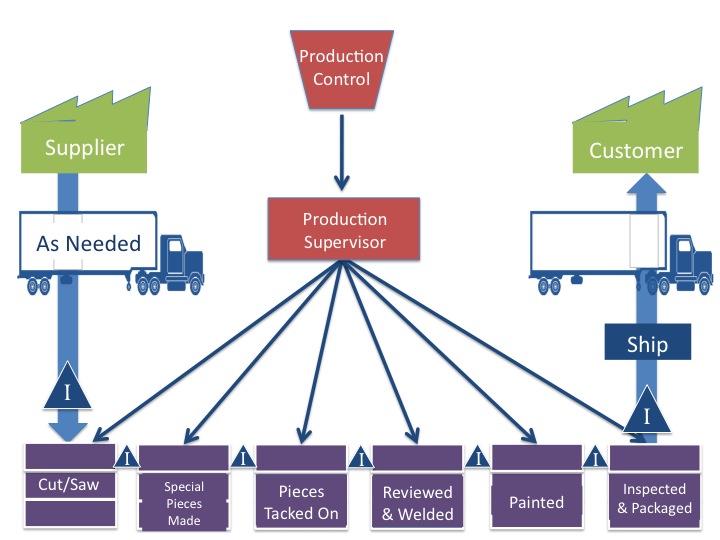
Figure 1: Floor Plan & Supply Chain for Manufacturing Industry
Once the raw materials (metal) arrive at the shop, the metal is unloaded and cut based on the approved blueprints. This is also the stage where smaller custom parts are made and fashioned in a special designated area. Next, the extra pieces are tacked onto the cut metal beams and sent down the line for review. Once an employee reviews the blueprints to make sure the pieces were connected in the right area, everything is welded together. At this point, some companies need the metal painted in rust protectant or perhaps a color to match other areas of the building. The parts are then loaded onto a truck and delivered to the proper location. Figure 1 gives a visual of how this process works.
A SERVICE COMPANY SUPPLY CHAIN EXAMPLE
Now we will take a look at the supply chain of a service based company. We will use the example of a marketing firm that specializes in website and logo design as well as branding. In a company such as this, there is a process of obtaining supplies, but the supplies are generally software and online tools.
A marketing firm is a service company, which means the supply chain focuses mainly on human interaction instead of large physical products using various suppliers. The production system is based on a pull strategy where the customer initiates the demand. Logistically, the services are customized depending on the need of each individual client (much like the metal fabricator’s different clients have different demands). Customer relations are critical to success and should be one of the main priorities. The supplies for a marketing firm are made from a combination of software, hardware, and print materials, meaning the inventory will remain low. The difference for this company, as opposed to a metal fabricator, is that a “finished good” means the website, print materials, and marketing report is delivered to the client which translates to a finished product. Generally speaking, each client will have different requirements for their marketing, which means there is no definite timeline.
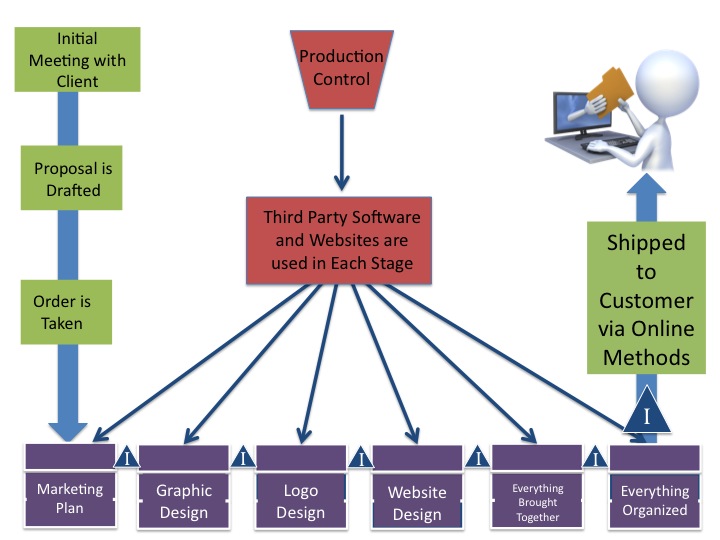
Figure 2: Floor Plan & Supply Chain of a Marketing Firm
Figure 2 gives a visual of the process in the marketing firm. Just as the same metal part is transferred from place to place within the metal shop, the “marketing plan” makes its way to each department, gaining value along the way with the addition of a website, logo, and more.
One of the main differences between these two examples is that the metal fabrication shop uses suppliers at the beginning and end of their stage whereas the marketing firm uses different suppliers for each stage. For example, a special application may need to be added into the website design stage. For this, the designer will go to a third-party application manufacturer and buy the required pieces needed. At the end of the process, the website, logo, and marketing plan are “packaged together” on a computer and the file is sent electronically to the customer. In addition, the client may choose to let the marketing firm monitor the progress of their advertising campaign in which case the firm may use a third-party such as Google Analytics or a billboard company to display the advertisements that were created.
CREATING A SUPPLY CHAIN FOR YOUR START UP
Now that you understand the basics of value adding and supply chains, let’s look at some important points to remember when developing a supply chain.
At the core of a supply chain are the relationships the company builds with their suppliers. With advancements in online communication, it is no longer necessary to only work with suppliers in your hometown. Consider looking at suppliers in other states and even overseas that help compliment the areas your firm is not as strong in. If you respect your suppliers, they will in turn respect you.
Also, consider the costs of suppliers. There are many software and online tools to help collaborate on projects, such as Basecamp and Smartsheet (refer to links below), but be sure to factor in the cost of these tools. For some projects, it may make sense to use third-party online applications, but for other projects it may not. If business is slow, then eliminate some of these applications. Other times, it may make sense to incorporate more tools to help finish a project.
Before spending money on online applications, however, be sure to research the free tools available online. Companies such as Google offer many free tools such as Google docs, video conferencing, and more.
Building a supply chain in the service industry means making partnerships. Find a reliable printing service for when you need them, a reliable shipping company for when a client needs hard copies, or other suppliers you may need down the road. Transforming your start-up into a successful business starts with being prepared for anything that may happen. As your company grows, you may need to incorporate actual physical suppliers into your supply chain. When this step happens, be sure to research each supplier and focus on building a lasting partnership with mutual trust and respect.
References:
1 Small Business Advancement National Center. (2003). What is a supply chain? The University of Central Arkansas. Retrieved from http://www.sbaer.uca.edu/index.php/publications/
2 Taylor, E. (2014). Differences in supply chain designs for a manufacturing industry vs. a service industry. The Houston Chronicle: Managing Employees. Retrieved from http://smallbusiness.chron.com/differences-supply-chain-designs-manufacturing-industry-vs-service-industry-14610.html
3 Bangs, D.H. (2005). Business plans made easy, third edition. Canada: Entrepreneur Media, Inc.
4 Basecamp – Online Collaborating Document Tool. www.basecamp.com
5 Smartsheet – Online Collaborating Document Tool. www.smartsheet.com
*This article originally appeared in a 2014 marketing blog from David Griffin
What Place Does Marketing Hold In The Strategic Plan Of An Organization?
Ask many people what they think marketing is and they will group it in the same category of sales. The truth is that marketing is way more than that, the collective process of…
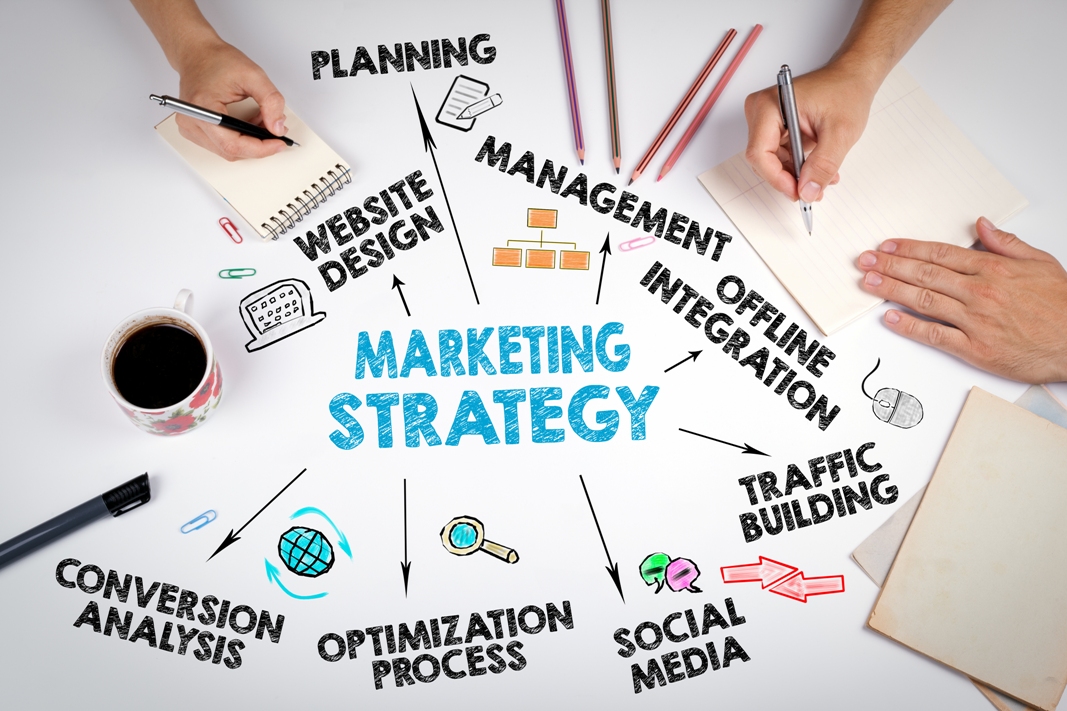
Ask many people what they think marketing is and they will group it in the same category of sales. When applying for a job, many times one will see the category of “marketing/sales” only to find out that the job is purely sales or a graphic designer position. The truth is that marketing is the collective process of things like sales, public relations, conversion analysis, traffic, advertising, community involvement, pricing, media planning, marketing research, distribution and so on. Marketing is the overall process of the inception of an idea all the way to putting the product in the hands of the consumer or business.
According to the U.S. Small Business Administration:
“Marketing is your most important organizing tool. There are four basic aspects of marketing, often called the four Ps:
Product: The item or service you sell.
Price: The amount you charge for your product or service.
Promote: The ways you inform your market as to who, what, and where you are.
Provide: The channels you use to take the product to the customer.
As you can see, marketing encompasses much more than just advertising or selling. For example, a major part of marketing involves researching your customers: What do they want? What can they afford? What do they think? Your understanding and application of the answers to such questions play a major role in the success or failure of your business.” - SBA, 2014
So, what role does marketing hold in the strategic plan of an organization? Answer: AN ESSENTIAL ONE. When, for example, a candle shop opens and wants to sell candles to consumers, where do they start? First you need to find a location that will be convenient for potential customers to find you without going way out of their way; after all, they could just go to Wal-Mart, so why go to your candle store or order from your website? Next, what advantages does your store or website have that will make people choose you over competitors? Maybe a knowledgeable staff on the products, special items that are not easily available at other places, cheaper prices, and so on. There also has to be a way to get the word out, otherwise no one will know about your store, that’s where advertising gets into the mix. Although, if you spend $100 on advertising but only sell $60 worth of products then was it worth it? That’s where media planning, pricing, and distribution/logistics come into play. The customer comes into the store, buys a product, then what? Did the customer have a unique experience? Will he or she come back? That’s where community involvement and public relations come into play.
To be successful, there has to be a way to let the customers know about you, sell the products, fix problems and still be profitable. This process is marketing and it is crucial to any organization.
References:
U.S. Small Business Administration. (Retrieved 2014). What does marketing involve? U.S. Small Business Administration. Retrieved from http://www.sba.gov/content/what-does-marketing-involve
How Marketing and Customer Relationship Management (CRM) are Connected
Every business knows that Customer Relationship Management (CRM) and Marketing go hand-in-hand. Do all of these businesses know why though?
Every business knows that Customer Relationship Management (CRM) and Marketing go hand-in-hand. Do all of these businesses know why though? By learning what customers want, the marketing can be more appropriately tailored to suit the target’s needs.
REPEAT CUSTOMERS
50, 30, even 20 years ago, the main goal was to sell a product to a customer, then move on to the next one. Now, companies have realized that repeat business can be as valuable, if not more, than one-time customers. According to About.com: Marketing, “repeat customers spend 33% more than new customers.” Colin Shaw, an “Influencer” on LinkedIn, also notes “The probability of selling to an existing customer is 60 – 70%. The probability of selling to a new prospect is 5-20%… It costs 6–7 times more to acquire a new customer than retain an existing one.” So, while gaining new business is important, it is also EXTREMELY important to keep your existing customers happy too.
CONSUMER’S VOICE
Another factor for companies to consider is not only how much monetary gain they will have from a repeat customer, but also how much of a reach that customer has to others via the Internet. If a customer is pleased with a certain product, they have the outlet to voice their positive opinion online. In the same sense, if a customer is not happy with a company or product, they can post negative comments online. Both reasons show why customer relationship management is important. Laura Lake of About.com also stated “Referrals among repeat customers are 107% greater than non-customers.” Also, maybe it’s not a bad product, but the service itself. Mr. Shaw says “A customer is 4 times more likely to defect to a competitor if the problem is service-related than price or product-related [and] for every customer complaint there are 26 other unhappy customers who have remained silent.”
ARE YOU LISTENING?
One negative review by a highly trafficked website can undo months of marketing, so it is important for companies to consider this into their marketing plan – by monitoring online activity such as blogs and social media. Another marketing item to consider related to customer relationship management is the opportunity to be connected, which can have valuable information. A customer who would like to receive emails from a company, or a customer who becomes a fan of a company on Facebook, is giving the organization an opportunity to connect with them personally, which can yield great insight into the habits, likes, and dislikes of customers or potential customers. There is also the ability to have a marketing plan that involves customer interaction. A company should strive for a customer that wants to visit their site and engage with them.
In short, marketing and customer relationship management are connected. Customer relationship management gives companies the chance to earn trust, please customers, and gain insight for their marketing plans.
References:
Lake, L. (2018). Customer relationships are key to your marketing strategy. About.com: Marketing. Retrieved from http://marketing.about.com/od/relationshipmarketing/a/crmstrategy.htm
Shaw, C. (2018). 15 statistics that should change the business world, but haven’t. LinkedIn. Retrieved from http://www.linkedin.com/today/post/article/20130604134550-284615-15-statistics-that-should-change-the-business-world-but-haven-t
Google Adwords Announces Rebranding
In the last week of June 2018, Google AdWords users across the globe received an email with important information: They are rebranding Google AdWords into Google Ads…
In the last week of June 2018, Google AdWords users across the globe received an email with important information:

That’s right! Google AdWords is going through a rebranding. According to their blog, Google states:
“We launched AdWords nearly 18 years ago with a simple goal—to make it easier for people to connect online with businesses...A lot has changed since then. Mobile is now a huge part of our everyday lives. People quickly switch from searching for products, to watching videos, browsing content, playing games and more. As a result, marketers have more opportunities to reach consumers across channels, screens and formats. The opportunity has never been more exciting, but it’s also never been more complex. Over the years, Google ads have evolved from helping marketers connect with people on Google Search, to helping them connect at every step of the consumer journey through text, video, display and more.
That’s why today we are introducing simpler brands and solutions for our advertising products: Google Ads, Google Marketing Platform, and Google Ad Manager. These new brands will help advertisers and publishers of all sizes choose the right solutions for their businesses, making it even easier for them to deliver valuable, trustworthy ads and the right experiences for consumers across devices and channels. As part of this change, we are releasing new solutions that help advertisers get started with Google Ads and drive greater collaboration across teams.”
The rest of the press release is available HERE.
For the most part, it seems that a majority of the Google Adwords (sorry, “Ads”) process will remain the same, with mostly aesthetic changes to the dashboard and logos:

Not to worry, we’ll keep you up to date with all the coming changes. At least Google was kind enough to save everyone a heart attack by assuring:
"There is no action required on your part, and changes to the Google Ads branding will not impact your campaign performance, navigation or reporting.”
-Griffin & Co. Marketing
Squarespace Is Launching An Email Marketing Platform
Squarespace announced they will be entering the email marketing industry, competing directly with Mailchimp, Constant Contact, Drip, etc.:
In an email received by Griffin & Co. Marketing (we’re a frequent Squarespace user), Squarespace announced they will be entering the email marketing industry, competing directly with Mailchimp, Constant Contact, Drip, etc.:


We’re excited to give this new platform a try, and will certainly update you once we receive early access.
-Griffin & Co. Marketing, LLC

Search Engine Market Share
Most of us know that Google is the leading search engine, but just how far ahead is it compared to the competition? According to Net Marketshare, a website who proudly state they “provide web usage share statistics on real users (not bots),” Google’s market share is 72%:
Most of us know that Google is the leading search engine, but just how far ahead is it compared to the competition? According to Net Marketshare, a website who proudly state they “provide web usage share statistics on real users (not bots),” Google’s market share is 72%:
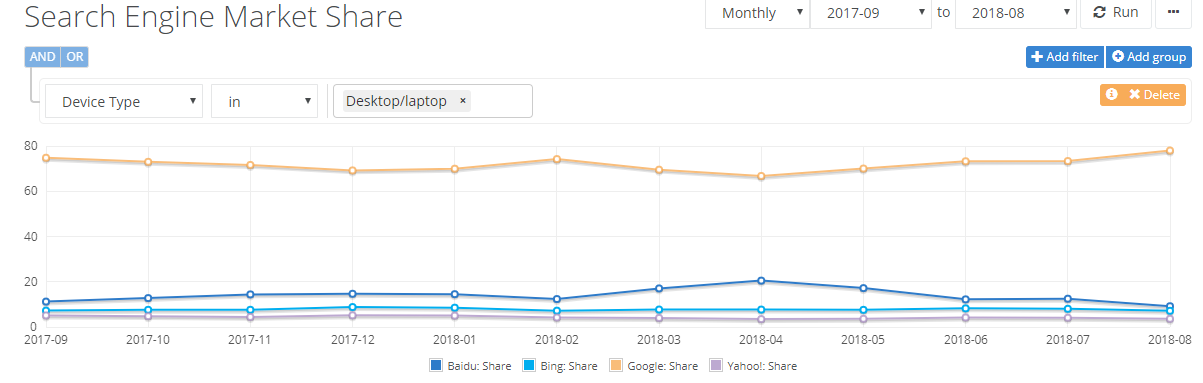
From September 2017 - August 2018, Google dominated with a 72% market share. Rounding out the top 10 were:
Google: 72.03%
Baidu (China): 14.11%
Bing: 7.76%
Yahoo!: 4.27%
Yandex (Russia): 0.95%
Ask: 0.35%
DuckDuckGo: 0.23%
Naver (South Korea): 0.11%
AOL: 0.05%
Dogpile: 0.04%
Why does this matter? You need to know where your customers are and where they are coming from, especially if you are considering running any Google Ads (or even Bing ads!). Want to know more about the importance of search engines and SERPs? Send us a message here.
References:
Search Engine Market Share. (2018). Net Marketshare. Source: https://www.netmarketshare.com/search-engine-market-share.aspx
Google Analytics: What Is Referrer Spam?
Google Analytics has the ability to show you how someone came to your sight (remember Direct, Organic, Paid and Referrals?). When it comes to referrals, however, there’s an annoying thing that can show up in reports: Referral spam.
Google Analytics has the ability to show you how someone came to your sight (remember Direct, Organic, Paid and Referrals?). When it comes to referrals, however, there’s an annoying thing that can show up in reports: Referral spam.
Here’s one of the best definitions I’ve found: “The technique involves making repeated web site requests using a fake referrer URL to the site the spammer wishes to advertise. Sites that publish their access logs, including referrer statistics, will then inadvertently link back to the spammer's site. These links will be indexed by search engines as they crawl the access logs, improving the spammer's search engine ranking. Except for polluting their statistics, the technique does not harm the affected sites. At least since 2014, a new variation of this form of spam occurs on Google Analytics. Spammers send fake visits to Google Analytics, often without ever accessing the affected site. The technique is used to have the spammers' URLs appear in the site statistics, inducing the site owner to visit the spam URLs. When the spammer never visited the affected site, the fake visits are also called Ghost Spam.”
As mentioned, the referrer spam doesn’t necessarily harm your website. It does, however, inflate your website visitor number which can be annoying when it comes to reporting. Although rare, it can also cause server overload if there are too many spam referrals.
How do you fix it? One of the best methods is by utilizing filters in Google Analytics to filter out the URLs that are bothering you. Start by going to Admin > All Filters > New Filter, and from there you can follow Google’s detailed instructions HERE.
References:
Referrer Spam.(2018). Wikipedia. Source: https://en.wikipedia.org/wiki/Referrer_spam

Advertising: Is It Based On Perspective?
There’s this old Seinfeld episode that revolves around a Dockers commercial about khakis…yada yada yada Let’s talk about mass marketing vs. targeted marketing.
There’s this old Seinfeld episode that revolves around a Dockers commercial about khakis. Below is the scene and, for reference, the actual commercial in question:
The episode itself is funny (or perhaps I’m biased because I believe every episode of Seinfeld is hilarious). The unintended result of this particular episode is interesting, however, because it shows that different commercials appeal to different people, and how all advertising used to be done. I know, it’s fictional, but in reality, aren’t there commercials you don’t care for? And yet, they continue to be played because somewhere, someone has seen it and bought the product.
And it’s as simple as that - mass marketing. I don’t believe Jerry Seinfeld is the intended target for the commercial. He says, “Tan pants...why do I buy tan pants? I don’t feel comfortable in them.” His girlfriend, on the other hand, says she likes the commercial. Could it be that she was the target market? Perhaps she would buy cotton Dockers for her boyfriend? In the rest of the episode, you don’t hear George opposing the commercial. You know what else? George is always wearing cotton pants, whereas this is the only episode I can remember that has Jerry wearing khakis. I know, it’s fiction. My point is that some people buy Dockers, and that’s why the commercial existed.
Instances like this is also why internet advertising has become so effective. Why waste money on people who are not your target? With social media, Google, etc, I can get very precise on my target market, making my ROI much better.