
-
AI SEO
- Feb 13, 2026 How to Rank Better, Straight From a Google Search Advocate Feb 13, 2026
-
Company Updates
- Jul 5, 2018 Google Adwords Announces Rebranding Jul 5, 2018
- Jun 21, 2018 Squarespace Is Launching An Email Marketing Platform Jun 21, 2018
- Apr 12, 2018 Facebook Changes Their Algorithm Apr 12, 2018
-
Content Creation
- Jun 21, 2018 Squarespace Is Launching An Email Marketing Platform Jun 21, 2018
- Mar 1, 2018 Viral vs. Valuable Marketing Mar 1, 2018
- Feb 1, 2018 SEO: 3 Marketing Stats to Keep In Mind When It Comes to Search Feb 1, 2018
- Jan 4, 2018 4 Reasons Why Blogging Can Help Your SEO Jan 4, 2018
-
Email Marketing
- Jul 1, 2019 Average Email Open Rates By Industry Jul 1, 2019
- Sep 27, 2018 Squarespace Email Marketing Review Sep 27, 2018
- Jun 21, 2018 Squarespace Is Launching An Email Marketing Platform Jun 21, 2018
-
Facts & Figures
- Jul 19, 2018 How Marketing and Customer Relationship Management (CRM) are Connected Jul 19, 2018
- Jun 7, 2018 Search Engine Market Share Jun 7, 2018
- Mar 15, 2018 Some Quick Stats About Mobile and Marketing Mar 15, 2018
-
Google Ads
- Jul 5, 2018 Google Adwords Announces Rebranding Jul 5, 2018
-
Google Adwords
- Jul 5, 2018 Google Adwords Announces Rebranding Jul 5, 2018
-
Google Analytics
- May 24, 2018 Google Analytics: What Is Referrer Spam? May 24, 2018
- Apr 26, 2018 Reading Google Analytics: Direct Traffic Apr 26, 2018
-
Ineffective Marketing
- Aug 30, 2018 The Importance of Knowing Your Audience Aug 30, 2018
- Jul 19, 2018 How Marketing and Customer Relationship Management (CRM) are Connected Jul 19, 2018
- May 10, 2018 Advertising: Is It Based On Perspective? May 10, 2018
-
Marketing Strategy
- Feb 3, 2022 Marketing From Aristotle: Ethos, Pathos, and Logos Feb 3, 2022
- Mar 17, 2020 Why You Need To Keep Your Marketing During A Crisis Mar 17, 2020
- Jul 10, 2019 The Difference Between PR and Marketing (and where they overlap) Jul 10, 2019
- Jul 1, 2019 Average Email Open Rates By Industry Jul 1, 2019
- Nov 8, 2018 Don’t Leave Out The Psychographics When Building Your Marketing Plan Nov 8, 2018
- Oct 25, 2018 The 5Cs of Marketing Oct 25, 2018
- Oct 11, 2018 The Marketing Mix (Often Called The 4 Ps) Oct 11, 2018
- Sep 13, 2018 How To S.W.O.T. And Improve Your Marketing Plan Sep 13, 2018
- Aug 30, 2018 The Importance of Knowing Your Audience Aug 30, 2018
- Aug 2, 2018 What Place Does Marketing Hold In The Strategic Plan Of An Organization? Aug 2, 2018
- Jul 19, 2018 How Marketing and Customer Relationship Management (CRM) are Connected Jul 19, 2018
- Jul 5, 2018 Google Adwords Announces Rebranding Jul 5, 2018
- May 10, 2018 Advertising: Is It Based On Perspective? May 10, 2018
- Apr 26, 2018 Reading Google Analytics: Direct Traffic Apr 26, 2018
- Mar 15, 2018 Some Quick Stats About Mobile and Marketing Mar 15, 2018
- Mar 1, 2018 Viral vs. Valuable Marketing Mar 1, 2018
-
SEO
- Mar 1, 2021 We Quintupled Our SEO Keywords By Doing This Mar 1, 2021
- Jun 7, 2018 Search Engine Market Share Jun 7, 2018
- Mar 1, 2018 Viral vs. Valuable Marketing Mar 1, 2018
- Feb 15, 2018 SEO: What Is a “Nofollow” Link? Feb 15, 2018
- Feb 1, 2018 SEO: 3 Marketing Stats to Keep In Mind When It Comes to Search Feb 1, 2018
- Jan 4, 2018 4 Reasons Why Blogging Can Help Your SEO Jan 4, 2018
-
Small Business
- Feb 3, 2022 Marketing From Aristotle: Ethos, Pathos, and Logos Feb 3, 2022
- Mar 17, 2020 Why You Need To Keep Your Marketing During A Crisis Mar 17, 2020
- Jul 10, 2019 The Difference Between PR and Marketing (and where they overlap) Jul 10, 2019
- Nov 8, 2018 Don’t Leave Out The Psychographics When Building Your Marketing Plan Nov 8, 2018
- Oct 25, 2018 The 5Cs of Marketing Oct 25, 2018
- Oct 11, 2018 The Marketing Mix (Often Called The 4 Ps) Oct 11, 2018
- Aug 30, 2018 The Importance of Knowing Your Audience Aug 30, 2018
- Aug 16, 2018 Supply Chain Management In The Service Industry Aug 16, 2018
-
Social Media
- Aug 30, 2018 The Importance of Knowing Your Audience Aug 30, 2018
- Jul 19, 2018 How Marketing and Customer Relationship Management (CRM) are Connected Jul 19, 2018
- Apr 12, 2018 Facebook Changes Their Algorithm Apr 12, 2018
- Mar 1, 2018 Viral vs. Valuable Marketing Mar 1, 2018
-
Website Design
- Aug 16, 2018 Supply Chain Management In The Service Industry Aug 16, 2018
- Mar 29, 2018 What is Responsive Web Design? Mar 29, 2018
The Marketing Mix (Often Called The 4 Ps)
Every business major in college had to take Marketing 101, but it’s always good to run a refresher course when possible. In that class, students would have learned about the Marketing Mix, also referred to as The 4 Ps: Product, Place, Price and Promotion.

Every business major in college had to take Marketing 101, but it’s always good to run a refresher course when possible. In that class, students would have learned about the Marketing Mix, also referred to as The 4 Ps:
Product
Place
Price
Promotion
The mix is especially important in designing a strategic marketing program for bringing a new product or service to market, and all of them represent what you as the business are able to control during in the process. Each one of the components should be consistent with each other, thereby creating a clear message.
What do each contain?
Place
Locations
Brick and mortar or online
Inventory levels (where is it stored?)
Product
Features
Quality
Packaging
Warranties and/or guarantees
Style
Brand name
Services
Options
Promotion
Any type of advertising (physical, online, etc)
Sales promotion
Personal selling
Publicity
Point of purchase (POP) materials
Price
Value to the customer
List price
Payment period
Rental or lease
Discounts offered (and where/why)
Credit terms
Questions to ask yourself when developing the marketing mix for your product or services:
What are your competitors doing in terms of product, price, place and promotion?
Why would your customers need this product or service?
Why would your customers need a particular feature(s)?
How could you improve your product?
We will expand more on the 4Ps in later blogs. In the meantime, let us know if we can help develop your marketing mix!
- Consumer
- Costs
- Convenience
- Communication
(The 4 Ps are Product, Place, Price and Promotion)
The idea here is that the 4Ps make you business-oriented, while the 4Cs make you more customer-centric.
- Product becomes “Consumer needs/wants”
- Price becomes “Cost to the consumer”
- Place becomes “Convenience to the consumer”
- Promotion becomes “Communication to the customer”
What Place Does Marketing Hold In The Strategic Plan Of An Organization?
Ask many people what they think marketing is and they will group it in the same category of sales. The truth is that marketing is way more than that, the collective process of…
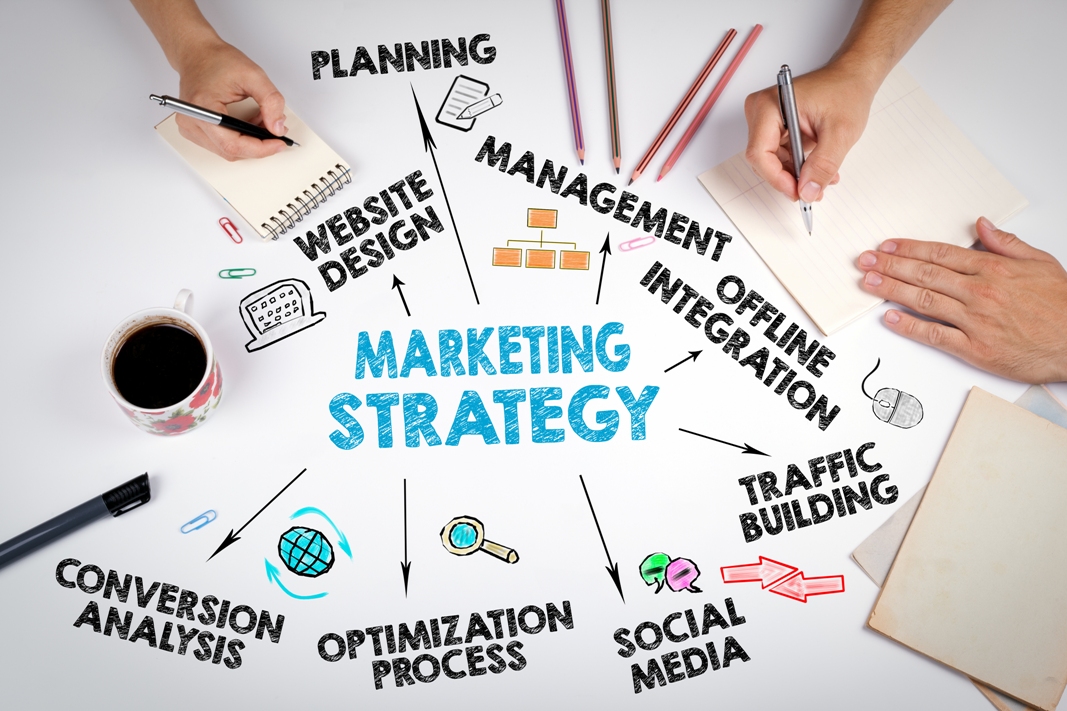
Ask many people what they think marketing is and they will group it in the same category of sales. When applying for a job, many times one will see the category of “marketing/sales” only to find out that the job is purely sales or a graphic designer position. The truth is that marketing is the collective process of things like sales, public relations, conversion analysis, traffic, advertising, community involvement, pricing, media planning, marketing research, distribution and so on. Marketing is the overall process of the inception of an idea all the way to putting the product in the hands of the consumer or business.
According to the U.S. Small Business Administration:
“Marketing is your most important organizing tool. There are four basic aspects of marketing, often called the four Ps:
Product: The item or service you sell.
Price: The amount you charge for your product or service.
Promote: The ways you inform your market as to who, what, and where you are.
Provide: The channels you use to take the product to the customer.
As you can see, marketing encompasses much more than just advertising or selling. For example, a major part of marketing involves researching your customers: What do they want? What can they afford? What do they think? Your understanding and application of the answers to such questions play a major role in the success or failure of your business.” - SBA, 2014
So, what role does marketing hold in the strategic plan of an organization? Answer: AN ESSENTIAL ONE. When, for example, a candle shop opens and wants to sell candles to consumers, where do they start? First you need to find a location that will be convenient for potential customers to find you without going way out of their way; after all, they could just go to Wal-Mart, so why go to your candle store or order from your website? Next, what advantages does your store or website have that will make people choose you over competitors? Maybe a knowledgeable staff on the products, special items that are not easily available at other places, cheaper prices, and so on. There also has to be a way to get the word out, otherwise no one will know about your store, that’s where advertising gets into the mix. Although, if you spend $100 on advertising but only sell $60 worth of products then was it worth it? That’s where media planning, pricing, and distribution/logistics come into play. The customer comes into the store, buys a product, then what? Did the customer have a unique experience? Will he or she come back? That’s where community involvement and public relations come into play.
To be successful, there has to be a way to let the customers know about you, sell the products, fix problems and still be profitable. This process is marketing and it is crucial to any organization.
References:
U.S. Small Business Administration. (Retrieved 2014). What does marketing involve? U.S. Small Business Administration. Retrieved from http://www.sba.gov/content/what-does-marketing-involve